Edrex FontanillaNew Media Artist

Overlooked

2005–2019 · Video art

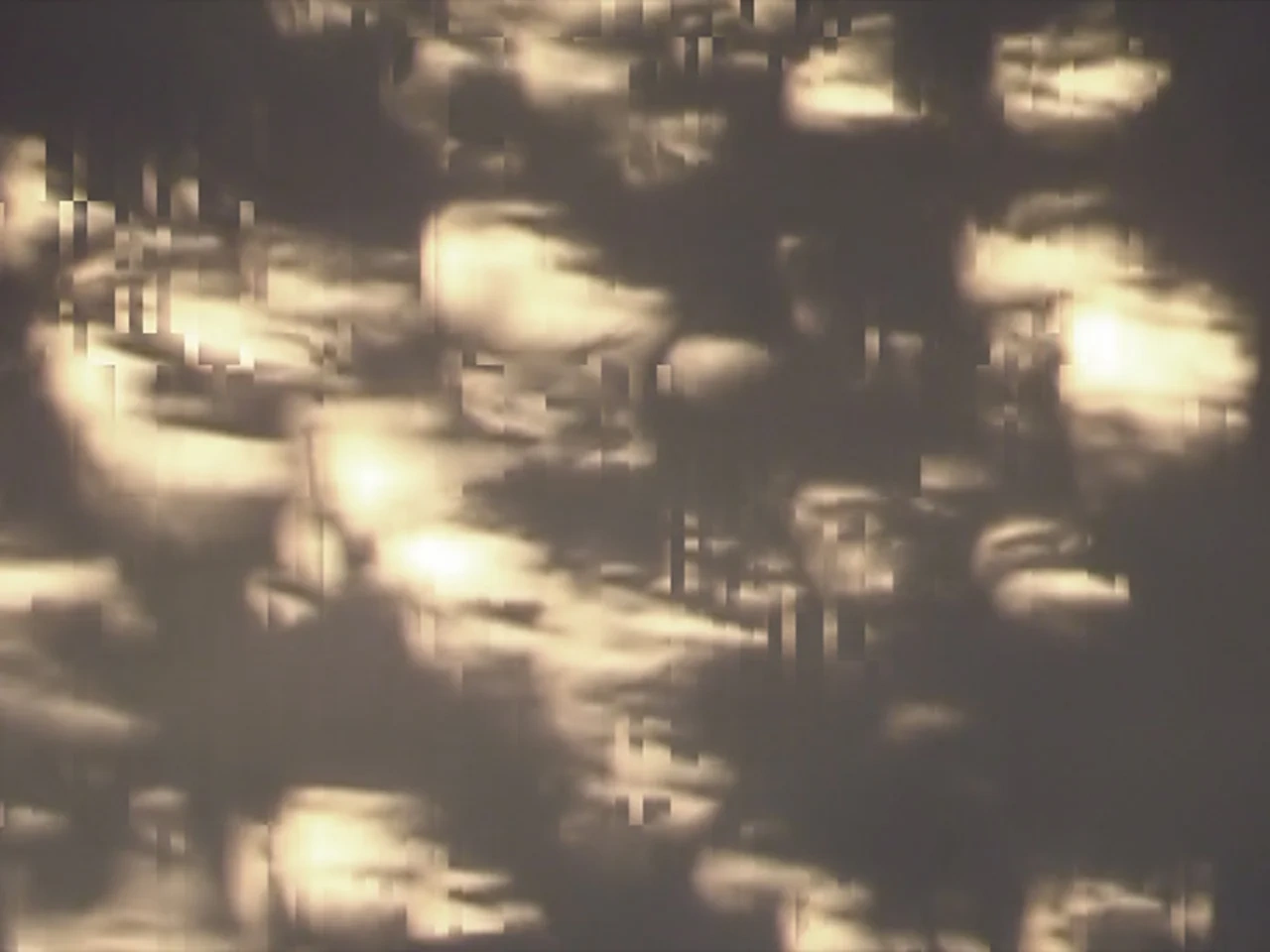
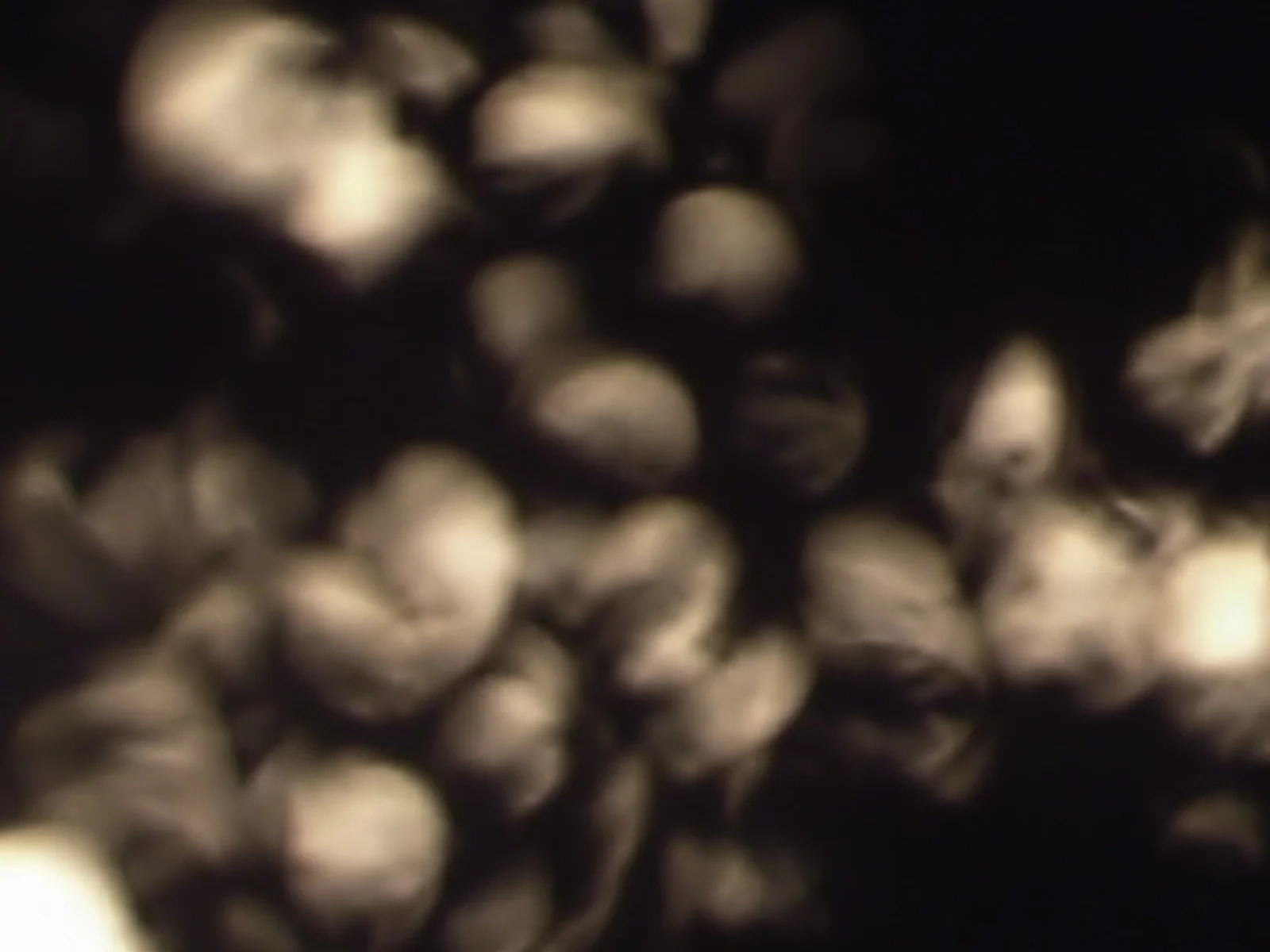
Overlooked — Eight minutes and fifty-two seconds of video for the cinematic black box, built on research in the psychology of human timing to act on the viewer's sense of duration. An asymmetrical form shifts and is replaced by swirling fragments. Computer-generated tone beds run under abstracted sounds akin to acousmatic music. Stripped of any identifiable origin, both image and sound resist categorization, compelling viewers to project their own psychological predispositions onto the void.
Eight minutes and fifty-two seconds of video for the cinematic black box, built on research in the psychology of human timing to act on the viewer's sense of duration. An asymmetrical form shifts and is replaced by swirling fragments. Computer-generated tone beds run under abstracted sounds akin to acousmatic music. Stripped of any identifiable origin, both image and sound resist categorization, compelling viewers to project their own psychological predispositions onto the void.
Overlooked — Overlooked 2.0 was installed as a featured work at TechFest at the Indian Institute of Technology Bombay in 2014, with an invited lecture. In its earlier form, the piece had traveled to the Tampa Museum of Art, the International Computer Music Conference, the University of Victoria, and the Digital Humanities Summer Institute in Canada.
Overlooked 2.0 was installed as a featured work at TechFest at the Indian Institute of Technology Bombay in 2014, with an invited lecture. In its earlier form, the piece had traveled to the Tampa Museum of Art, the International Computer Music Conference, the University of Victoria, and the Digital Humanities Summer Institute in Canada.
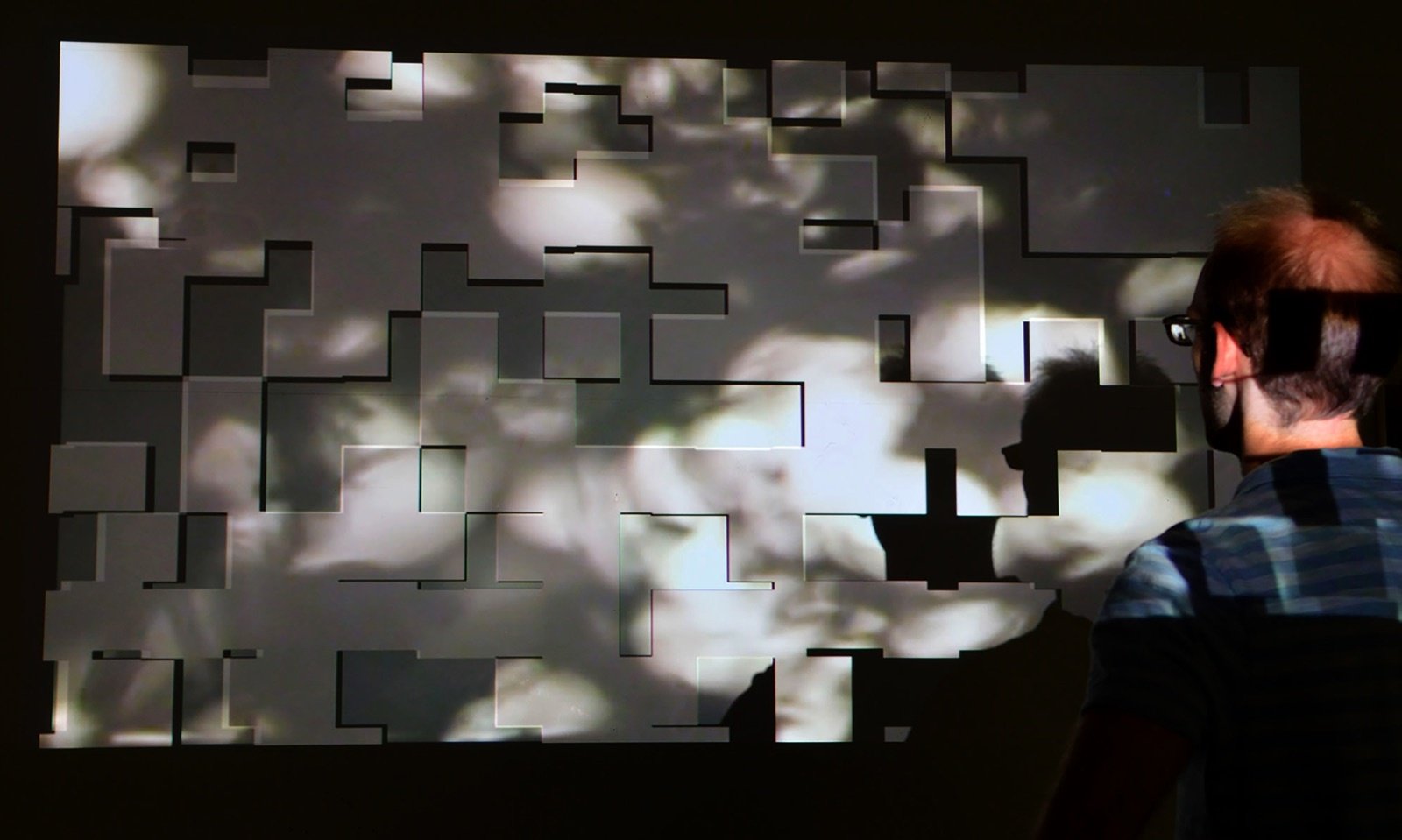
Overlooked — Installation mechanics, shown during the Long Island City Arts Open: custom software, time-based animation, and dual projections that create parallax in the image. In the final sequence the forms press against the screen. The contact is perceived and not actual, and that gap is where the series starts.
Installation mechanics, shown during the Long Island City Arts Open: custom software, time-based animation, and dual projections that create parallax in the image. In the final sequence the forms press against the screen. The contact is perceived and not actual, and that gap is where the series starts.